Why batching beats posting as you go
The expensive part of posting daily is not the typing. It is the deciding. Every morning the same small negotiation runs: is today a post day, what would I even say, is that photo good enough, and is now really the moment. That negotiation costs more attention than the post does, and it runs even when nothing gets published.
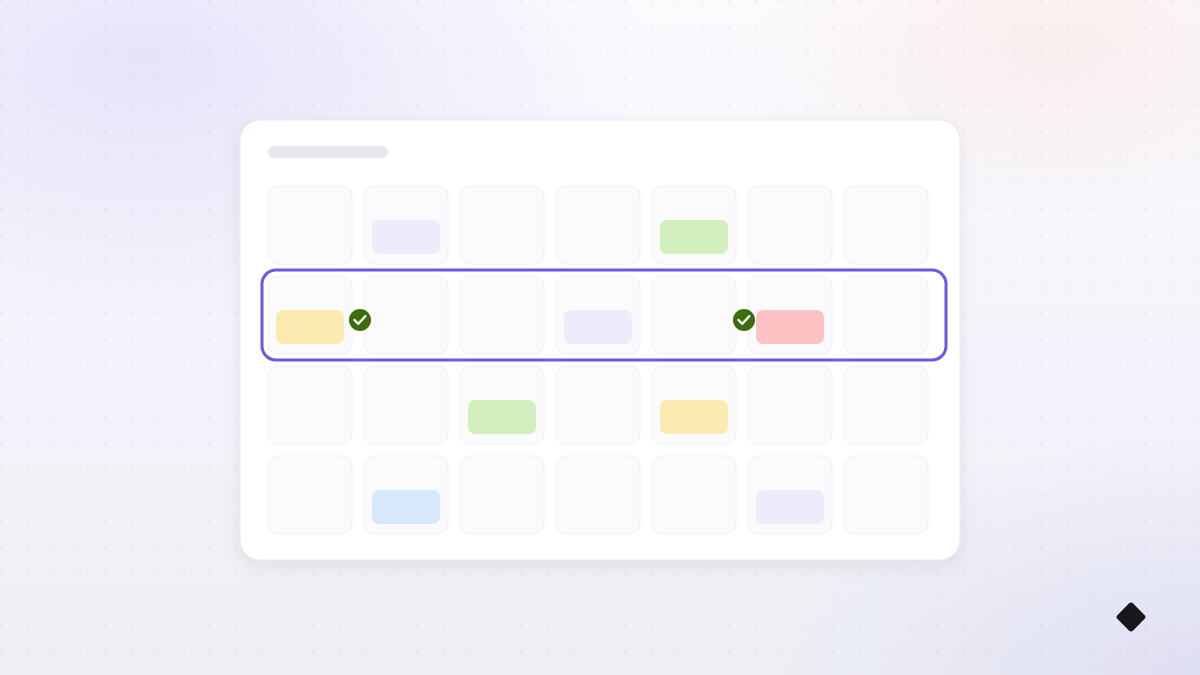
Batching pays that cost once. You sit down, make all the decisions in a row, and the rest of the week is execution that has already been approved. The posts are not better because they were batched. The week is better because the deciding is finished.
Four things to have ready first
Most failed batching sessions fail in the first ten minutes, because the session turns into a scavenger hunt. Have these four ready before you start the clock:
- Your content pillars. The three or four lanes you post in, so you are choosing within a lane rather than staring at everything at once. If you have not set these, the simple plan walks through picking them.
- One line about the week. What is happening in the business: a new arrival, a slow Tuesday worth filling, a job you finished that photographed well.
- A folder of usable photos. Not good photos. Usable ones. Whatever is already on your phone from the last two weeks.
- Your posting slots. The days and times you already committed to, so scheduling is placement rather than another decision. If those are not settled, the posting frequency guide gives realistic starting points.
Work in passes, not post by post
The instinct is to finish one post completely, then start the next: idea, caption, photo, schedule, repeat. That feels orderly and it is the slow way, because every post makes you change gears four times. Four posts means sixteen gear changes.
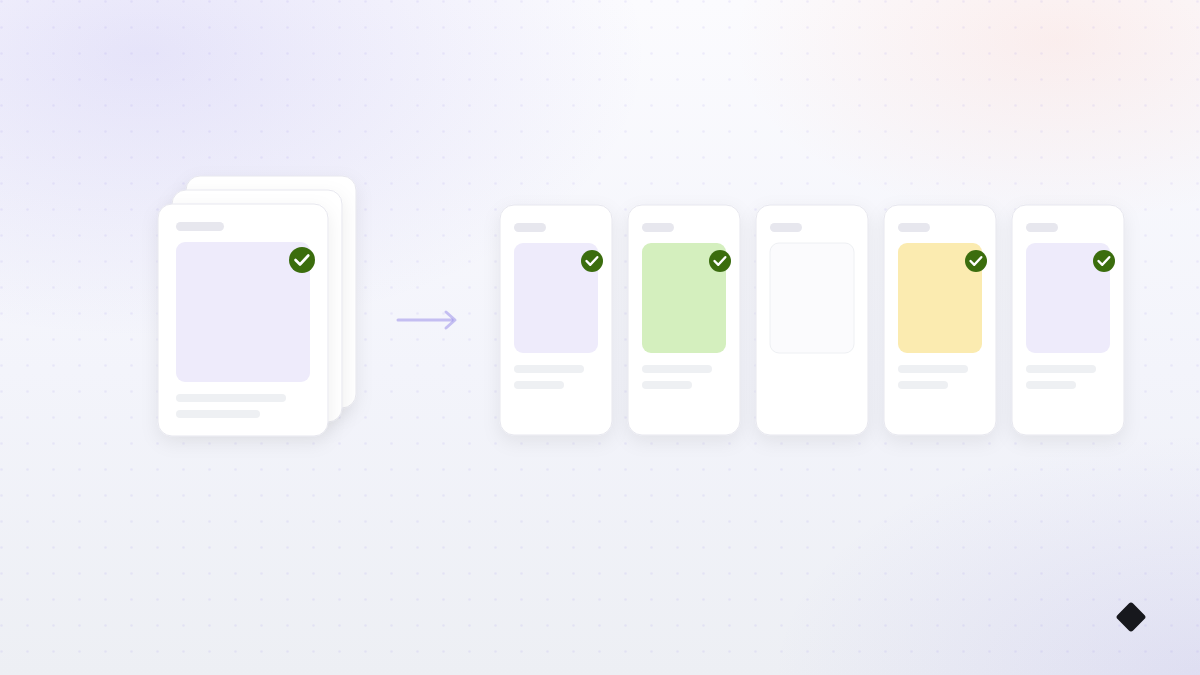
Passes do it in four. Write all four ideas, then all four captions, then all four images, then schedule the lot. Each pass keeps your head in one kind of thinking, and each one gets faster as it goes, because the second caption is easier than the first when you have not left caption-writing in between.
The side effect matters too. When you draft four captions together you can see them together, so the week stops repeating itself. Post-by-post writing is how three of your four posts end up opening the same way.
A sixty-minute run of show
One hour, four posts, five passes. Times are generous on purpose; most weeks run shorter once the pillars are familiar.
- 0 to 10 minutes, ideas. One line per post, one per pillar. Not captions, just the subject: "before and after of the Delgado bathroom", "why we stopped using lacquer". If the blank page is the bottleneck, the prompt list turns this into a five-minute pass.
- 10 to 30 minutes, captions. Draft all four in a row without editing. First drafts only.
- 30 to 45 minutes, images. Pick from the folder you already gathered. Crop if you must; do not go shooting now.
- 45 to 55 minutes, scheduling. Place each post in a slot you already decided on. Placement, not deliberation.
- 55 to 60 minutes, one read-through. Fresh eyes on all four together. This is where the repeated opening lines and the wrong price get caught.
Four posts is the right number to start with: a real week of presence on two platforms, small enough that the hour holds.
Keeping batched posts from sounding batched
A week written in one sitting can read like one. Same rhythm, same opening, same energy, four times. Three habits fix most of it:
Vary the shape, not just the subject. One post can be a single sentence. One can be a short list. One can be a question you actually get asked. Four paragraphs of the same length is what reads as bulk.
Keep one post unbatched. Leave a slot open for whatever actually happens that week. The unplanned post is usually the one people reply to, and it keeps the account from feeling like a broadcast schedule.
Read them out loud before scheduling. It takes ninety seconds for four captions and it catches the ones that sound like a brochure. If you would not say it to a customer standing in front of you, rewrite it.
Images without a photoshoot
Image sourcing is the one thing most likely to break the hour, because it is the only pass that can turn into a project. Two rules keep it contained.
First, shoot in batches too, separately from writing. Ten minutes on a Friday, phone in hand, walking through the shop or the site: the finished work, the tools, the shelf you restocked, someone mid-task. Twenty ordinary photos is more than a week of four posts needs.
Second, during the batching hour you are only allowed to choose, never to create. If nothing in the folder fits a post, change the post rather than the photo library. The idea was worth ten minutes; the photoshoot is worth an afternoon you did not budget.
The review step that makes batching safe
Batching concentrates risk. Posting daily, a mistake affects one post. Batching, the same mistake can be sitting in all four, scheduled, with nobody looking at it again until it is live.
The five-minute read-through is the step that protects the other fifty-five, and it looks for four specific things:
- Prices, dates, and hours. The details most likely to have changed since you last wrote them down.
- Anything time-sensitive. A post written Monday for Thursday should still make sense on Thursday.
- Repetition across the four. Same opening, same phrase, same photo composition.
- Names and spellings. Customers, staff, streets. The errors people actually notice.
A batch that goes out unread is not a system, it is an unattended queue. The review is what separates the two.
Where batching goes wrong
- Batching a month instead of a week. Two weeks out, the posts stop matching what is actually happening. A week is close enough to stay true.
- Editing while drafting. After image sourcing, the surest way to turn a one-hour session into three. Draft everything, then edit everything.
- Waiting for a clear hour. The clear hour does not arrive. Book a recurring one and treat it like a customer appointment.
- Batching before the pillars exist. Without lanes, the hour becomes a brainstorm, and brainstorms do not fit in an hour.
- Scheduling and walking away for good. Queued posts still need a look before they go out, and a way to pull one if the week turns.
How Postd batches the week for you
Everything above works with a notebook and a phone. Batching still lapses because the hour comes back every week, forever, and always lands in a week that is already full.
That recurring hour is what Postd takes over. It drafts the week across your pillars, matches images from your library, and places the posts in the slots you chose.
What is left is the part that needs you: reading the week, changing what is wrong, approving it. Nothing publishes without your approval, and the full loop is on the How it works page.
Your next step: book one recurring hour, gather twenty photos before it, and run the five passes on four posts. The calendar guide covers where the week lands.