
Why the invoice is the wrong number
Every way of handling social media buys the same job: decide what to say, write it, make the images work, publish on time, and keep it going next week. What changes is the mix of two currencies you pay in. Money, and your attention.
Comparing quotes alone hides half of that. The cheapest option on paper is usually the one that asks the most of your week, and the most expensive one still asks for something: a brief, a photo, a decision, an approval. Nobody hands over their business voice entirely, and the ones who try can tell.
So price each option twice. Once in money, once in hours. The figures below are typical United States ranges as of August 2026, drawn from published pricing guides and salary data. They are starting points for a conversation, never a quote.
Doing it yourself
Money: nothing beyond the tools. Hours: two to four a week once you have a system, considerably more without one.
The system is what separates those two numbers. An owner working from content pillars and one batching session can land a week in about an hour, plus ten minutes gathering photos and a few minutes a day answering comments. An owner starting from a blank page every morning spends far more and posts less.
Price your own time honestly. If an hour of your attention is worth what you charge for an hour of your work, three hours a week is a real line item, and for many trades it is larger than the software options below.
Hiring a freelancer
Money: commonly $300 to $1,500 a month for a small business, with hourly work quoted around $35 to $150. Hours: one to two a week for briefing, photo supply, and approvals.
The spread is wide because the work is. At the lower end you are buying scheduling and posting on one or two platforms. At the upper end you are buying strategy, writing, and community management from someone who has learned your business.
The recurring cost people forget is supply. A freelancer cannot photograph the job you finished on Tuesday. Somebody at your end still has to send the raw material, every week, or the account drifts toward stock imagery.
Hiring an agency
Money: commonly $2,000 to $6,000 a month for a small business retainer, with published guides putting the overall market between $500 and $5,000. Hours: one to two a week, concentrated in monthly planning.
An agency buys capacity and coordination: several people, a content calendar, reporting, usually paid media alongside the organic work. That is genuine value for a business running campaigns worth managing.
Read what sits outside the retainer. Ad spend, photography, and tool subscriptions are frequently quoted separately, so a $2,000 retainer with $1,500 of ad spend and $200 of tools is a $3,700 monthly commitment.
Hiring in house
Money: around $65,000 a year in base salary at the United States median, with the middle half of roles between roughly $47,500 and $76,500, before payroll taxes, benefits, equipment, and software. Hours: management time, which is a different cost from doing the work.
This makes sense once social is one part of a marketing role rather than the whole of it, or once the volume genuinely fills a week. For a business posting four times a week it is the most expensive way to buy four posts. The manager cost answer page goes deeper on hiring a person specifically.
Using software
Money: free to about $50 a month for a small business, though seat-priced platforms aimed at larger teams start near $99 per user. Hours: under an hour a week if the tool drafts, more if it only schedules.
The category splits in two, and the split matters more than the price. Schedulers take content you have already written and publish it on time, which removes the posting chore and leaves the writing. Tools that draft remove the blank page as well, which is the part most owners actually stall on.
The five options side by side
- Yourself: tools only, two to four hours a week.
- Freelancer: $300 to $1,500 a month, one to two hours a week.
- Agency: $2,000 to $6,000 a month, one to two hours a week.
- Employee: about $65,000 a year plus employment costs.
- Software: free to about $50 a month, under an hour a week.
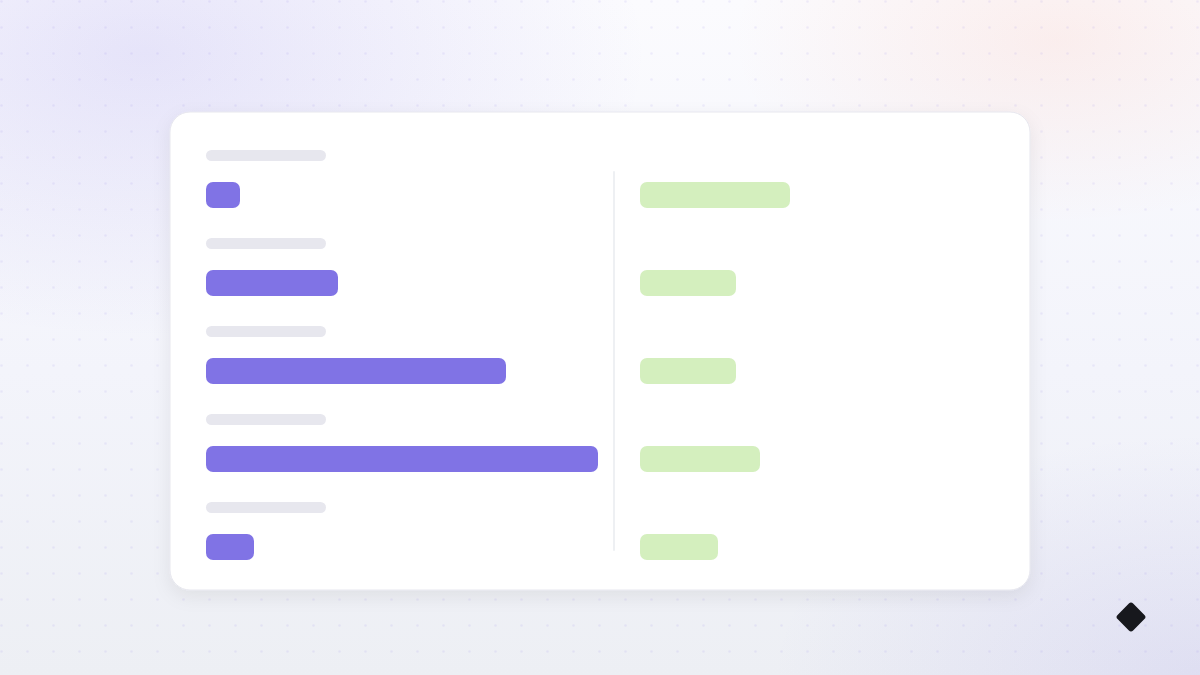
Read down the hours column and the picture changes. Every option asks for one to four hours of your week. What varies by a factor of a hundred is the money.
Which one fits which business
If the bottleneck is knowing what to say, a freelancer or a drafting tool clears it. If the bottleneck is time, a scheduler or a batching habit clears it. If the bottleneck is campaigns, launches, and paid media, that is agency work and the retainer is doing something the other columns cannot.
One test cuts through most of it. Write down the hours you can genuinely give this every week, as a number you would defend to yourself. Then choose the cheapest option that fits inside it. Buying more service than your bottleneck needs is the most common way to overspend here.
Where Postd sits
Postd is in the software column, at the drafting end of it. It learns your business from your website, prepares a week of posts, matches images, and publishes across your connected accounts.
What that buys is the deciding and the writing, which is the part most owners stall on. What it asks for is the review: reading the week and approving it. Nothing publishes without your approval.
Current pricing is on the pricing page rather than here, so it is right when you read it.
Your next step: write down your honest weekly hours, then price the one column that fits inside them.